CT600 Box 155: Gross Profit Explained
Box 155 is where you report your company's gross profit on the CT600. This guide explains what goes in this box and how to calculate the figure correctly.
What is Box 155?
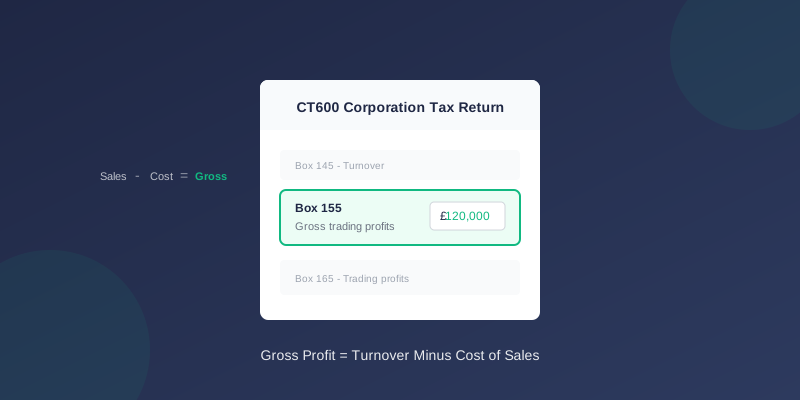
Box 155 on the CT600 is labelled "Gross trading profits" (or "Gross profit").
This box shows your profit before operating expenses - the difference between your sales and your direct costs.
What is Gross Profit?
Gross profit is calculated as:
``` Gross Profit = Turnover - Cost of Sales ```
It's what's left after paying for the goods or services you've sold, but before deducting operating costs like rent, salaries, and utilities.
How to Calculate Box 155
Step 1: Identify Turnover
Start with your total sales revenue:
``` Product sales £400,000 Service income £100,000 Total turnover £500,000 ```
Step 2: Calculate Cost of Sales
Identify direct costs of what you sold:
For product businesses:
- Opening stock
- Purchases
- Less: Closing stock
- Direct labour costs
- Materials used in providing services
- Subcontractor costs
Step 3: Calculate Gross Profit
``` Turnover £500,000 Less: Cost of sales (£185,000) Gross profit £315,000 ← Box 155 ```
What's Included in Cost of Sales?
For Trading Companies:
| Include | Exclude |
|---|---|
| Raw materials | Office supplies |
| Stock purchases | Rent |
| Direct labour | Admin salaries |
| Manufacturing costs | Marketing |
| Import duties | Insurance |
| Freight on purchases | Depreciation |
For Service Companies:
| Include | Exclude |
|---|---|
| Direct staff costs | Admin staff |
| Materials for client work | Office costs |
| Subcontractor fees | General overheads |
| Client-specific expenses | Marketing |
Box 155 vs Other Boxes
Understanding the flow:
| Box | Name | What It Shows |
|---|---|---|
| 145 | Turnover | Total sales |
| 155 | Gross profit | Sales minus cost of sales |
| 165 | Trading profits | Gross profit minus expenses |
Gross Profit Margin
Your gross profit margin shows how profitable your sales are:
``` Gross Margin = (Gross Profit ÷ Turnover) × 100
Example: (£315,000 ÷ £500,000) × 100 = 63% ```
Typical margins vary by industry:
- Retail: 25-50%
- Services: 50-80%
- Manufacturing: 30-40%
- Software: 70-90%
Examples
Example 1: Retail Business
Company sells products:
``` Sales revenue £200,000 Opening stock £15,000 Purchases £100,000 Closing stock (£20,000) Cost of sales £95,000 Gross profit £105,000 ```
Box 155: £105,000
Example 2: Consulting Business
Company provides consulting services:
``` Consulting fees £180,000 Contractor costs £40,000 Travel to clients £5,000 Cost of sales £45,000 Gross profit £135,000 ```
Box 155: £135,000
Example 3: Software Company
Company develops and sells software:
``` Software licences £250,000 Hosting costs £25,000 Developer contractors £35,000 Cost of sales £60,000 Gross profit £190,000 ```
Box 155: £190,000
Common Mistakes
1. Including Operating Expenses
Wrong: Including rent, admin salaries in cost of sales Right: Only include direct costs of goods/services sold
2. Missing Stock Adjustments
Wrong: Using purchases only for cost of sales Right: Adjust for opening and closing stock
3. Confusing Gross and Net Profit
Wrong: Entering net trading profit in Box 155 Right: Gross profit is before operating expenses
4. Misclassifying Overheads
Wrong: Putting warehouse rent in cost of sales for retailers Right: Only direct product costs are cost of sales
No Gross Profit (Loss Situation)
If cost of sales exceeds turnover:
``` Turnover £100,000 Cost of sales £120,000 Gross loss (£20,000) ```
In this case:
- Box 155 would be £0 or blank
- The gross loss would typically flow through to a trading loss
Service vs Product Businesses
The concept applies differently:
Product Business
- Clear distinction between cost of sales and expenses
- Stock values are significant
- Gross margin is a key metric
Pure Service Business
- May have minimal cost of sales
- Some show all costs as expenses
- Gross profit may equal turnover
- Box 145: £100,000 (fees)
- Box 155: £100,000 (same - no cost of sales)
- Box 165: £60,000 (after expenses)
When Using TinyTax
TinyTax calculates gross profit by:
- Importing your trial balance
- Identifying turnover accounts
- Identifying cost of sales accounts
- Calculating gross profit automatically
- Populating Box 155 correctly
Related Articles
- CT600 Box 145: Turnover Explained
- CT600 Box 165: Trading Profits Explained
- CT600 Boxes Explained: Understanding Every Field
Need Help?
Getting your gross profit right is essential for accurate Corporation Tax. TinyTax calculates Box 155 automatically from your accounting data.
Start Your CT600 Free →